Goal Machine Soccer: A Designer's Practical Review
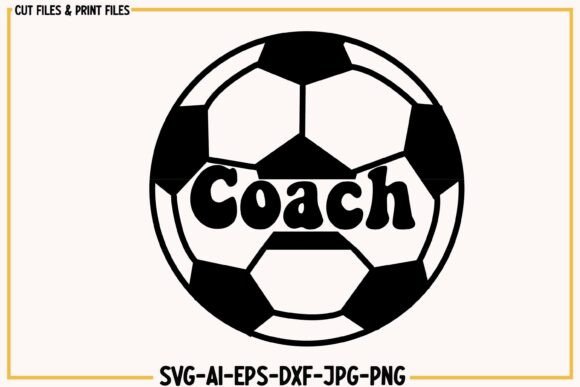
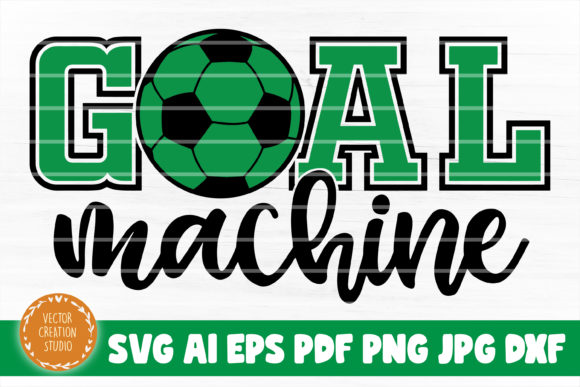
When I first opened the Goal Machine Soccer file, I immediately felt that pulse of energy every soccer-loving kid and parent recognizes. The shape reads like motion, not just a static emblem. The central soccer ball paired with the bold typography gives it a trophy-like attitude, the kind of design that makes a finished product feel earned rather than simply decorated. It has that halftime-huddle, under-the-stadium-lights personality that gets noticed on a bench, a backpack, or a gift table. The mood is competitive but playful, never too aggressive, which matters when you are stitching for all ages. The layout feels intentional, with a balanced weight that holds its own whether you shrink it down for a patch or scale it up for the back of a sweatshirt. There is a confident simplicity here, the kind of visual clarity that translates well into thread without losing its soul.
One of the first things I noticed was how the thick and thin areas alternate. The soccer ball element sits central and grounded, while the surrounding text and accent shapes create a nice circular rhythm. The detailing is present but not fussy. Tiny elements like the starburst accents or the motion lines around the ball add personality without becoming stitching nightmares. I have seen plenty of sport-themed machine embroidery design files that crumble under their own complexity, but Goal Machine Soccer keeps itself in check. The contrast between the solid letterforms and the more open center motif gives the eye a natural resting point, which is exactly what you want when someone glances at a handmade product across a room.
Stitching This Design On A Real Customer Tote
Let me walk you through a real scenario because that is where the truth lives. A client asked me to create a custom tote bag for her son's soccer team end-of-season gift. The brief was simple: something the kids would actually use, not just another trophy gathering dust. I pulled up Goal Machine Soccer and did a test stitch on a medium-weight cotton canvas tote, the kind you see at craft fairs and boutique shops. The design was hooped at a comfortable five-by-seven size, and right away I could tell the layout was hoop-friendly. The outer edges stayed clear of the frame, and the center placement felt natural. I chose a charcoal tote with white and neon green thread, and the contrast popped beautifully. The stitch density in the ball's panel sections held up nicely without puckering, and the lettering read clean even from a few feet away.
What surprised me most was how the motion lines around the ball translated into running stitch accents. Those thin, directional strokes gave the finished product a hand-drawn energy that felt more personal than a perfectly symmetrical emblem. The tote bag owner, an eight-year-old goalkeeper, immediately recognized the design as his thing. That immediate recognition is gold for a small shop product. When a child connects with a design that fast, you know the parent will be back next season.
Where Goal Machine Soccer Shines Brightest
After stitching this design multiple times across different substrates, I can confidently say it belongs on products that celebrate effort and identity. Sweatshirt embroidery is a natural fit. The design sits beautifully on the chest or upper back, and the circular composition hugs the body without looking like a misplaced sticker. For a team mom or a soccer coach ordering custom apparel, this design hits the sweet spot between sporty and stylish. It works on crewnecks, hoodies, and even lightweight zip-ups.
Tote bag design applications are equally strong. The scale holds up on a thirteen-inch bag, and the stitching remains legible even after multiple washes, provided you use a quality stabilizer and the right thread tension. I tested a version on a navy canvas tote with metallic gold thread, and the finished look felt premium enough for a boutique window display. Embroidered patch projects are another avenue worth exploring. By stitching the design onto felt or twill and finishing the edges, you can create standalone patches for jackets, backpacks, or even goalkeeper gloves bags. The shape is self-contained enough that it trims out cleanly without losing context.
For baby embroidery and nursery decor, the design has a softer side. Swap the bold black outlines for a muted gray or navy, and suddenly Goal Machine Soccer becomes a sweet nursery accent on a blanket or a crib pillow. The soccer theme works for gender-neutral nurseries, and the circular shape tucks nicely into a corner of a pillow cover without overwhelming the room. Holiday embroidery gifts also come to mind. A set of personalized kitchen towels with this design and a family name underneath makes a thoughtful Christmas gift for the soccer-obsessed household.
The Fabric And Surface Factors You Cannot Ignore
Now, let me be honest about the situations where Goal Machine Soccer needs extra attention. Thin, stretchy fabrics like performance jerseys or lightweight rayon blends are tricky. The design has some fill stitch areas that can pull on unstable fabric if you do not use a proper cutaway stabilizer. I tested a version on a polyester moisture-wicking tee, and while the result was wearable, I had to double up on backing and slow my machine speed considerably. If you are planning to stitch on caps or curved surfaces, watch the outer text ring. The curvature of a cap brim or a beanie can distort those letters if you do not adjust your hoop size and placement carefully. I recommend testing on a scrap cap panel before committing to a dozen team orders.
Dark fabrics present a visibility challenge for the soccer ball's inner panel lines. On a black hoodie, those subtle details can disappear if your thread color contrast is too low. I found that a slightly lighter shade for the ball's pentagon outlines, like a charcoal gray instead of true black, helps the eye separate the shapes. Thread colors matter more here than you might think. The design relies on contrast to define the ball, so test your palette on a small swatch before running a full embroidery project.
Small hoop sizes are another consideration. Below four inches, the lettering around the outer ring starts to close up. The tiny gaps between characters can become stitch density traps, causing thread buildup and a muddy appearance. If you need to go small, consider simplifying the text or using a thinner satin stitch width. The design thrives at medium and large sizes, so lean into that strength when planning your finished product.
How Customers React To The Stitched Look
There is something about a soccer design that triggers immediate emotional recognition. When I displayed a stitched sample of Goal Machine Soccer at a local craft fair, parents stopped and pointed. The design reads as sporty and aspirational without being age-specific. A ten-year-old sees a goal-scoring badge of honor. A teenager sees a cool, retro athletic emblem. A parent sees a keepsake that marks a season of growth. That broad appeal is rare in themed design assets, and it is exactly what you want as an Etsy seller or craft business owner. The handmade product value increases when the design carries emotional weight, and soccer carries plenty of it.
From a brand consistency standpoint, this design fits neatly into a cohesive product line. You can offer it on totes, tees, hoodies, and patches without it feeling repetitive. The circular shape and bold central motif create a recognizable signature across different items. For boutique branding, that consistency builds trust. Repeat customers start to associate your shop with clean, well-chosen sports designs that actually stitch out well.
Practical Embroidery Designer Notes
Before you load this design onto your machine and run a dozen pieces, do yourself a favor and test the design on scrap fabric. I cannot stress this enough. Every machine, every thread brand, and every stabilizer combination behaves a little differently. Run a single stitch-out on a fabric similar to your final product and examine the stitch density in the lettering and the ball details. Look for thread breaks, tension pulls, and any areas where the fill stitch feels too heavy or too light. Adjust your machine settings accordingly.
Check your thread color contrast against the actual fabric you plan to use, not just the digital mockup. Colors shift on screen, and what looks like a crisp white on gray in a printable mockup may turn out to be a dull cream on oatmeal fabric. Test in black and white if you can. A design that reads well in grayscale will hold up under varied lighting conditions, which matters for digital product previews and customer expectations.
Review the hoop size requirements carefully. The product description mentions this is a digital embroidery file compatible with various software, but you should confirm the exact dimensions before purchasing. Some cutting machine files convert differently to embroidery formats, so check with the seller if you need clarification on stitch-ready compatibility. Also confirm the licensing terms before selling finished items. Many digital file sellers allow commercial embroidery use, but you need to verify that explicitly. Do not assume.
For applique design enthusiasts, consider isolating the soccer ball element and stitching it as an applique on a contrasting fabric background. This approach reduces stitch count and adds a tactile dimension to the finished piece. A felt soccer ball applique with embroidered text around it would make a stunning personalized gift for a young player.
When working with stretchy fabric or textured fabric like fleece, use a basting stitch or adhesive spray to secure the material before stitching. The design has enough solid areas that shifting during embroidery can ruin the alignment. A little extra prep time saves you from a pile of misaligned rejects.
Final Thoughts On A Real Workhorse Design
What I appreciate most about Goal Machine Soccer after stitching it across multiple projects is its practicality. It does not pretend to be a delicate, intricate masterpiece. It knows what it is, a bold, energetic soccer emblem that connects with people and stitches out reliably. The design respects the embroidery file format by keeping its shapes clean and its contrast intentional. As a designer, I value files that translate well from screen to thread without requiring hours of cleanup. This one delivers.
For the Etsy seller looking to expand into sports-themed handmade products, the small business owner building a lineup of custom apparel, or the hobbyist wanting to stitch a memorable holiday embroidery gift, Goal Machine Soccer earns its place in your design library. It is the kind of file you return to season after season, confident that it will look sharp on a tote, a towel, a patch, or a pillow. And in a world where not every design lives up to its preview, that reliability is worth more than a perfectly staged product photo.